Honest testing reports, model comparisons, launch analysis, cost notes, debugging stories, and lessons from real technical work. What worked in the demo and what failed in production.
Test Genie 4 inside Project Genie, Google DeepMind’s interactive world model. Build live explorable scenes, edit environments with in-session prompts and enjoy native real-time audio. Learn access rules, handy prompting tricks and key limitations for beginners and Gemini builders.
Amid widespread rumors and release date predictions for Google's Gemini 4 Krypton, how does it fit into the new elemental model matrix? Is it real, and how should developers prepare their API stacks? Here is our hands-on engineering breakdown combining community tracking with APIMaster integration insights.
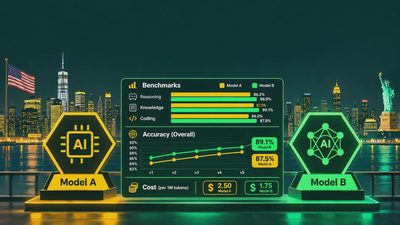
Is Sonnet 5 better than Opus 4.8? Learn how to verify model names and compare coding quality, latency, and API costs without trusting unverified claims.
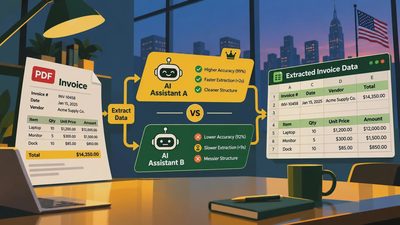
Compare Gemini 4 Neon and Claude Fable 5.2 in a real Python coding task. See how each model handles error handling, unit tests and edge cases. We share runnable Python API examples, cost breakdown and a practical workflow to pick the right model for your coding work.
Google is restricting its strongest model over cybersecurity risks, while Democrats prepare independent safety tests, liability rules, and data center cost protections. The two developments are colliding over one core question: who decides how fast powerful AI reaches the public?
New AI regulation proposals could change how developers test, deploy, and manage AI applications. Explore what the 2026 midterm results may mean for Gemini builders, model safety, liability, and infrastructure.
A new model ID called Gempix 3 Pro just showed up inside Google's image-protection system. Here's what's confirmed, what's only reported, what's still a blank, and what it could mean if most of the images you make are photos of people.