Weekly growth reports are repetitive enough to benefit from automation and important enough that blind automation is dangerous. This post describes a Gemini-assisted workflow that accelerates the mechanical parts of the report while keeping interpretation, prioritization, and narrative ownership with the human.
I have used variations of this process for more than six months. The version below is the one that survived contact with real metric volatility and real stakeholder questions. The reports that reached leadership were always rewritten by me; the model’s contribution stopped at structured detection and neutral first drafts.
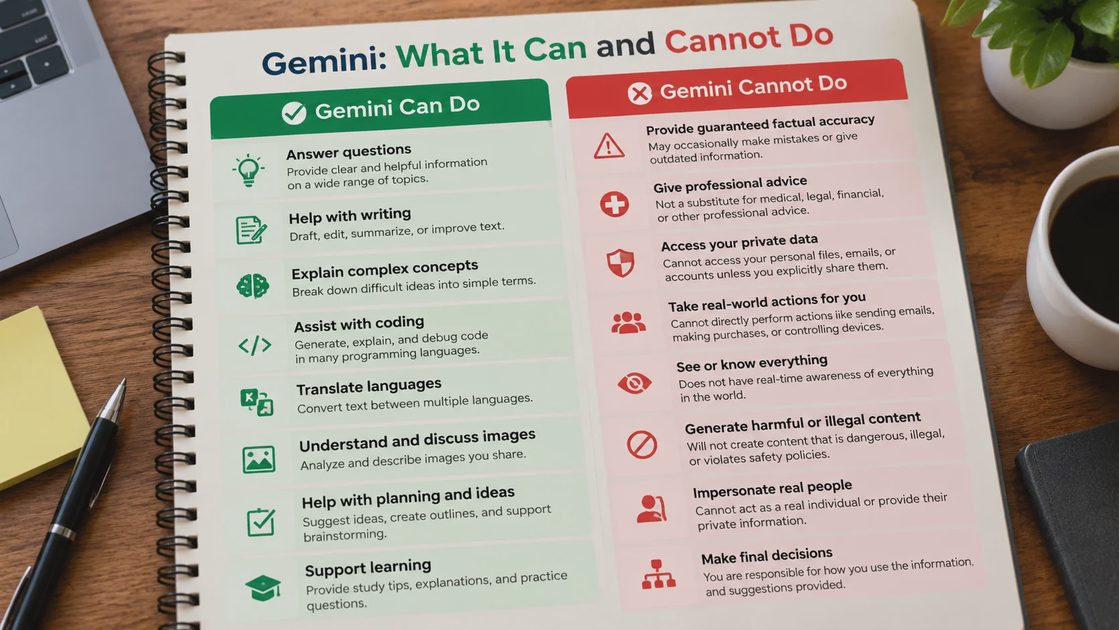
What Gemini Is Allowed to Do
In this workflow Gemini may:
Pull the latest numbers from a structured data export
Compute simple period-over-period changes
Draft neutral descriptions of the movements
Flag anomalies that exceed a pre-defined threshold
Gemini may not:
Decide which metrics matter most this week
Invent explanations for movements
Write the executive summary without human revision
Suppress inconvenient numbers
The boundary is enforced by the prompt and by a mandatory human edit step before distribution. I also keep a short personal checklist that I review every Monday before starting the report. The checklist is a reminder that the model’s job is narrow on purpose. Expanding that job is always possible later; contracting it after stakeholders have grown used to a more expansive version is harder.
The Weekly Sequence
Export the core metrics into a clean CSV or table
Run a Gemini Flash call that returns a structured list of changes and anomalies
Review the list myself and select the three to five points that actually need attention
Ask Gemini to draft short neutral paragraphs only for the selected points
Rewrite the narrative in my own voice and add judgment
Distribute
The model never sees the final narrative prompt until I have already chosen the points. That sequencing prevents it from shaping the story before I have shaped the priorities. Step 3 is the highest-leverage human step. Skipping it or rushing it is the fastest way to end up with a report that is technically accurate and strategically off.
I also keep the selection criteria written down: magnitude of change, distance from target, novelty, and whether the team can act on it in the next week. Having the criteria explicit makes the selection step faster and more consistent across weeks.
Anomaly Table
The structured output I require looks like this:
Metric | Current | Previous | Change | Anomaly? | Notes |
|---|---|---|---|---|---|
Weekly active | 12,400 | 11,900 | +4.2% | No | — |
Activation rate | 18% | 23% | –5 pp | Yes | Investigate onboarding |
... | ... | ... | ... | ... | ... |
I treat the “Anomaly?” column as a suggestion, not a decision. The final call stays human. The Notes column is initially empty; I fill it during the review step with any context the model could not have known (recent experiments, seasonality, data-quality issues). That human-added context is often the most valuable part of the table when the report is read three weeks later.
What I Protect
Three things remain entirely human:
The choice of which movements are worth discussing
The causal interpretation (or the honest admission that we do not yet know the cause)
The tone and framing of the report that leadership reads
Gemini reduces the time spent formatting and first-draft writing. It does not reduce the time spent thinking. In fact, by handling the repetitive detection work, it frees more attention for the interpretive work that actually moves decisions.
I also protect the historical record. Every distributed report is stored with the structured anomaly table that preceded it. If a stakeholder later asks why a particular movement was or was not highlighted, the table shows what the model surfaced and what I chose to elevate or ignore. That transparency has been useful more than once.
I tried it first. The sequencing—select first, draft second—is the part worth copying. The exact metrics will be different for every team; the discipline of keeping judgment upstream of generation is not. Teams that invert the order (let the model draft the story first) usually end up editing around the model’s framing instead of starting from their own.
The weekly report is one of the few documents that both reflects the business and shapes how the business sees itself. Keeping the reflective part human is not a limitation of the tool; it is a choice about what kind of team we want to be. Gemini can help us see the numbers faster. It cannot decide what the numbers mean for us.
I also keep the structured anomaly table for at least one quarter. When a stakeholder later asks why a particular movement was highlighted or ignored, the table provides a clear record of what the model surfaced and what I chose to elevate. That transparency turns the report from a black-box narrative into a defensible decision artifact.
The sequencing—select first, draft second—remains the most important discipline. Letting the model draft the story before the human has chosen the priorities almost always results in a report that is technically accurate and strategically off. Protecting the order of operations protects the judgment.